

5 Essential Tips for Secure Transactions at Money Changers
Money changers provide an essential service to travelers by allowing them to exchange currency when they are in a foreign country. While money changers are generally trustworthy, there are some precautions that travelers should take to ensure that their transactions are secure.
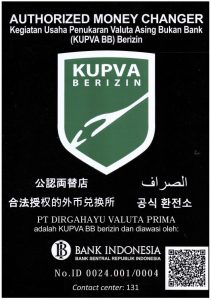
1. Make sure the money changer is authorized
The first and most important tip for a secure transaction at a money changer is to make sure that the money changer is authorized to do business. Authorized money changers are usually registered with government agencies and have proper licenses to operate. In most countries, authorized money changers are required to display their licenses and certificates in their shops or booths. If you cannot see any indication that the money changer is authorized, it is best to find another one.
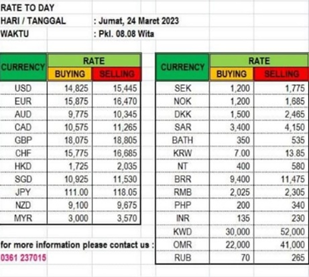
2. Compare exchange rate to make sure the rate is reasonable
Before exchanging money, travelers should always compare the exchange rate offered by the money changer to the current market rate. This will help you determine whether the rate is reasonable or not. It is a good idea to check the exchange rate online or at a bank before going to the money changer. This will help you avoid getting ripped off or being charged an unreasonable exchange rate.
3. No transaction fee
Some money changers may charge a transaction fee in addition to the exchange rate. This fee can significantly increase the cost of the transaction, so travelers should always ask whether there is a transaction fee before exchanging money. If the money changer does charge a fee, try to negotiate to have it waived, or find another money changer that does not charge a fee.

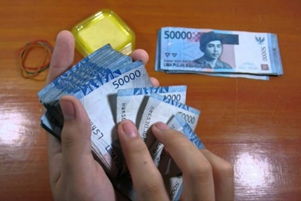
4. Recount the money that you received before leaving
After exchanging money, travelers should always count the money they receive before leaving the money changer. This will help you detect any errors or discrepancies in the transaction. If you find any errors, bring them to the attention of the money changer immediately.
5. Please, show your ID (Passport, etc) every time you change money
Finally, travelers should be prepared to show their identification when exchanging money. Most money changers require identification to comply with anti-money laundering regulations. You should always carry a valid form of identification, such as a passport or government-issued ID, when exchanging money. This will help you avoid any delays or problems with the transaction.
In conclusion, these tips will help travelers ensure that their transactions at money changers are secure. By taking these precautions, travelers can avoid getting ripped off or becoming victims of fraud. Remember to always check the authorization of the money changer, compare exchange rates, watch out for transaction fees, count the money received, and be prepared to show identification.